
Winter conditions may appear gentle at first glance, but they place hidden stress on vehicles. Daytime temperatures feel comfortable, yet nights can drop sharply, while humidity remains persistently high. These fluctuations quietly strain key components, including the engine, battery, air-conditioning system, and tires. In Dubai, many drivers assume winter poses no real risk to their cars, but the cooler air often exposes underlying weaknesses. Dense air makes engines harder to start, warm-up cycles consume more energy, oil thickens, fuel efficiency drops, and filters clog more quickly. Rather than being harmless, winter conditions are often when mechanical issues surface first.
Cold, Humidity And Engine Start
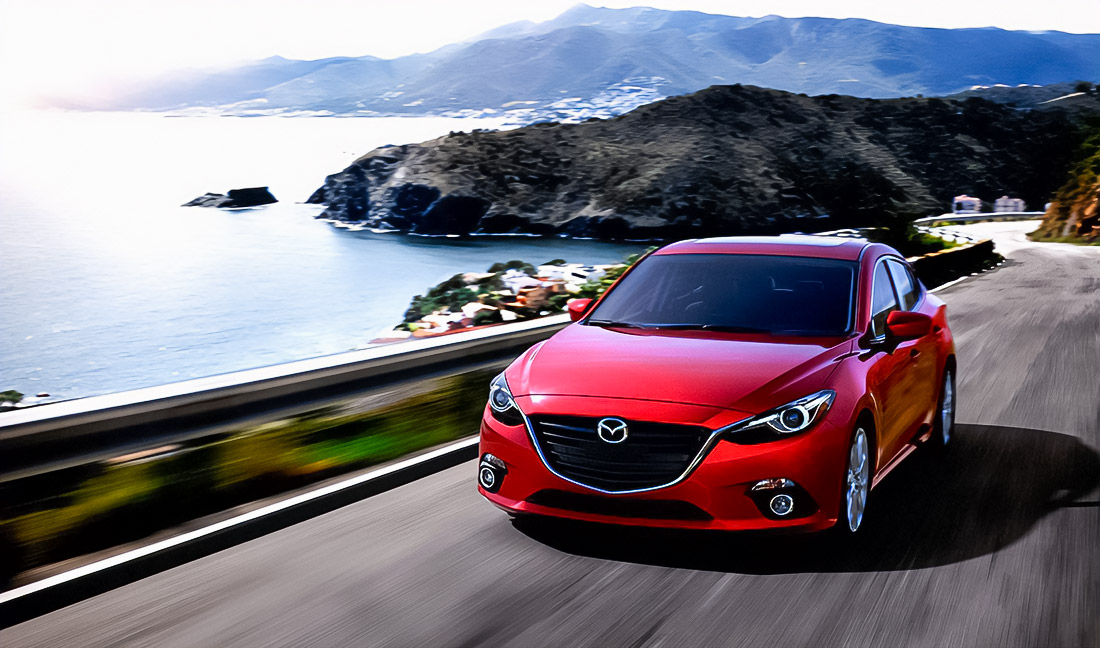
Even a slight decrease in temperature changes the nature of the motor. The morning start requires more current from the battery, and the aging oil loses its fluidity and interferes with normal pumping. At 10°C and below, fuel evaporates worse, combustion efficiency and idling stability decrease. For a safe start, keep the oil and coolant levels under control, and keep the radiator clean, free of dust and salt crusts. In winter, the cooling circuit also works; it keeps the heat balance and prevents the metal from cooling down quickly after short trips. Checking the thermostat and antifreeze density reduces the risk of “overheating what is already warmed up” and eliminates cold areas in the cooling jacket. The humid air adds to the quests: steel and connectors corrode when parked in the open for a long time. Drivers who do not save on seasonal diagnostics, and owners who decide to buy Mazda in the UAE, often notice a milder morning start and stable parameters in the cooler months.
Air Conditioning, Filters And Clean Air In Winter
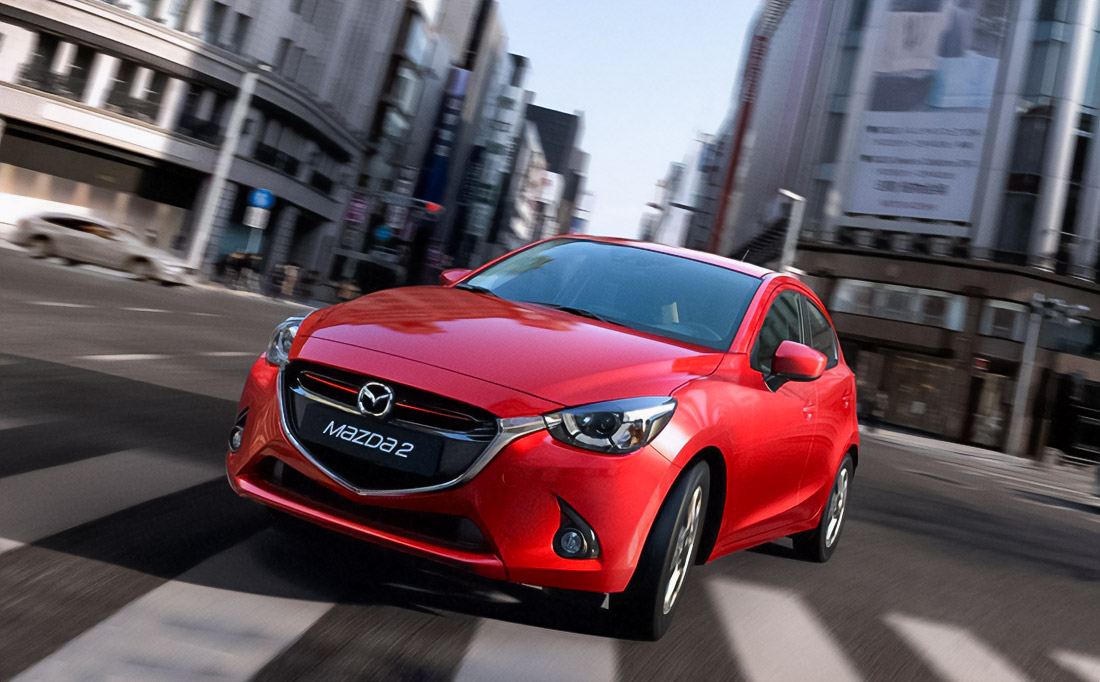
In winter, air conditioning is often considered superfluous. This is a mistake. The compressor dehumidifies the flow, quickly removes the fog from the windows and prevents condensation from settling in the cabin. If you do not turn on the system for weeks, the grease in the compressor thickens, the seals dry out and lose their tightness. Once a week, it is useful to run the air conditioner for at least ten minutes. The cabin filter clogs faster at this time due to dust, moisture, and rare cleanings; the dirty element stifles circulation, loads the fan, and generates a musty odor. The practical rule is simple: service or change the filter every 30,000 km or after every third oil change. At the same time, check the evaporator drainage humid climates like mold and puddles in the channels. A clean condenser and free honeycombs noticeably facilitate heat transfer even on cool days.
Tire Pressure And Traction

In winter, tires speak in a different voice. For every 5°F of cooling, the pressure loses about 1 PSI in the morning; it is easy to see minus three or four relative to the norm. Under-inflated wheels impair handling, heat up at speed and increase fuel consumption due to increased rolling resistance. The basic guideline for most passenger cars in the UAE is the same 32-35 PSI on “cold” tires. Checking at least once a month is mandatory, even more so before a long journey. Wet asphalt in the morning is treacherous: the surface is cold, there is dew on it, and the coefficient of adhesion is lower. Old or hardened rubber loses elasticity, and the braking distance increases. A thread below 1.6 mm is a signal for replacement, especially if you often visit high speed highways. Keep an eye on the uniformity of wear, balancing, and installation angles, vibrations and steering wheel “deflection” rarely come alone.
Why Winter Requires Attention No Less Than Summer

In summer, everyone looks at the thermometer, in winter at the warm-up clock. Cold reduces battery output, humidity accelerates contact corrosion, thick oil makes it harder to start and adds friction in the first minutes of movement. An air conditioner left on overnight without first shutting down creates an extra load on the compressor during the morning start and steals its resource. Even when it seems that the car is “resting”, it lives in a different rhythm: short trips, frequent cold starts, condensation and sudden temperature changes. Once a season, check the battery, filters, belts, radiator condition, correct coolant level and tire pressure. Prevention is cheaper than sudden repairs and brings predictability back to everyday travel.
A well-tuned engine wakes up quieter and more readily. The air conditioner does not smell damp and dries the glass quickly. The wheels hold the trajectory tenaciously, the chassis responds smoothly, and the fuel consumption does not creep up due to the “soft” tires. Dubai’s winter is mild, but tricky: the coolness and humidity hit the weak spots no less than the summer heat. With a little attention, the nodes survive to the heat without surprises, and the trips become calmer, as if the city had turned off the background noise.

Football fan, father of 3, fender owner, vintage furniture lover and New School grad. Making at the crossroads of art and function to create strong, lasting and remarkable design. Let’s make every day A RAZZLE-DAZZLE MUSICAL.