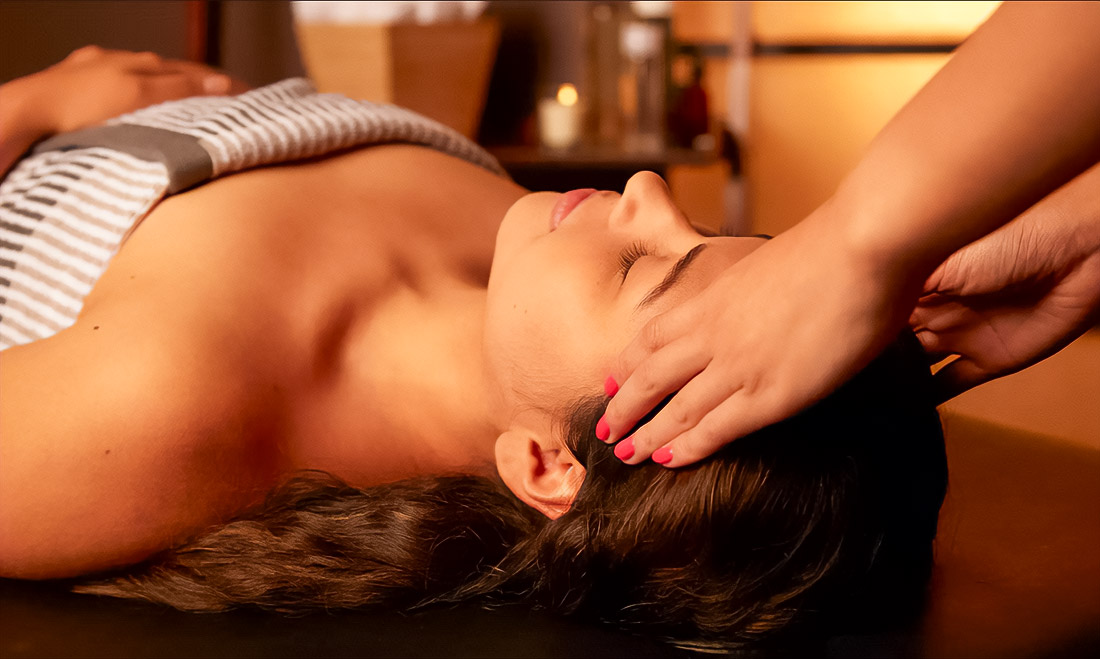
Luxury has long sounded like a verdict: visible, expensive, noticeable. In recent years, the meaning has shifted. Now it’s not the showcase that matters, but the condition. Not a demonstration, but the quality of life, emotional balance, recovery, awareness. This is not a beautiful slogan or a fashion statement, but a direct consequence of how consumer priorities, the market, and even the language people use to describe well-being are changing.
From Status To Status: A New Logic Of Choice
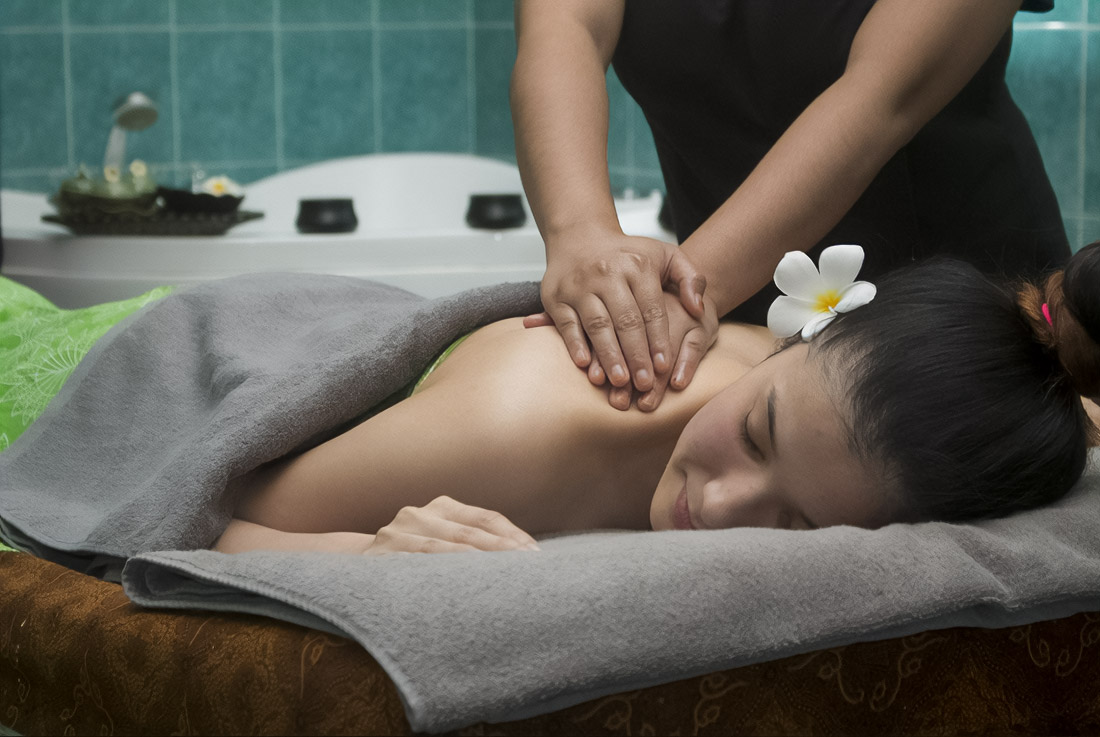
If luxury used to be based on status and rarity, today it is increasingly based on wellbeing. People choose not “more”, but “better”. Not louder, but quieter. Not taller, but healthier.
It is significant that more than 90% of wealthy buyers consider wellness characteristics to be their top priority. The focus is on air quality, natural light, access to nature, and a sense of privacy and tranquility. And this is not a whim. This is an attempt to integrate human-centered design into your daily routine and stop living on wear and tear.
The shift is also visible at the economic level. The wellness market is growing steadily, and individual areas wellness tourism, luxury spa, athleisure, and preventive health are growing faster than traditional luxury categories. For example, wellness tourism is estimated to more than double by 2030 compared to the early 2020s. Such dynamics rarely occur by chance. It appears where the mass demand is changing.
The Neuroscience Of Self-Care: Stress, Brain, And Habits
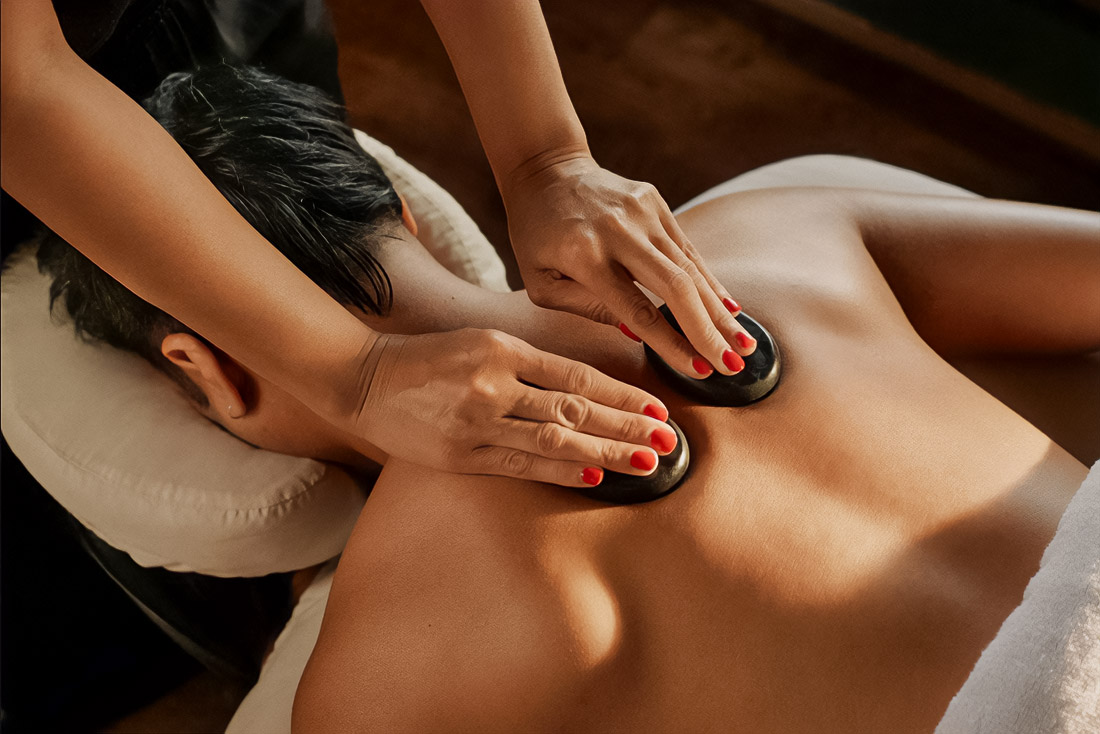
Self-care has ceased to be a “pleasant addition.” It has become the infrastructure of the psyche. The brain, nervous system, sleep, nutrition, and movement are not separate topics, but one connected chain.
When stress becomes chronic, cortisol increases, and this affects memory, concentration, and emotional regulation. Mental health begins to sag quietly, without loud signals. Therefore, mindfulness and meditation acquire a practical role rather than an aesthetic one: research shows that regular practice enhances the work of the prefrontal cortex and reduces the activity of the amygdala, the center of fear.
Movement also works not “for form,” but for the brain. Physical activity supports neuroplasticity, helps to stabilize mood, and improves cognitive function. And sleep, no matter how banal it may sound, becomes a key factor: it is needed to consolidate memory and emotional balance.
There is another strong node, the gut-brain connection. The materials explicitly state that about 90% of serotonin is produced in the intestine. It changes the way you look at nutrition. Nutrition is becoming part of mental health, not “calorie control.”
Experience Instead Of Product: Experiential Luxury And Social Energy
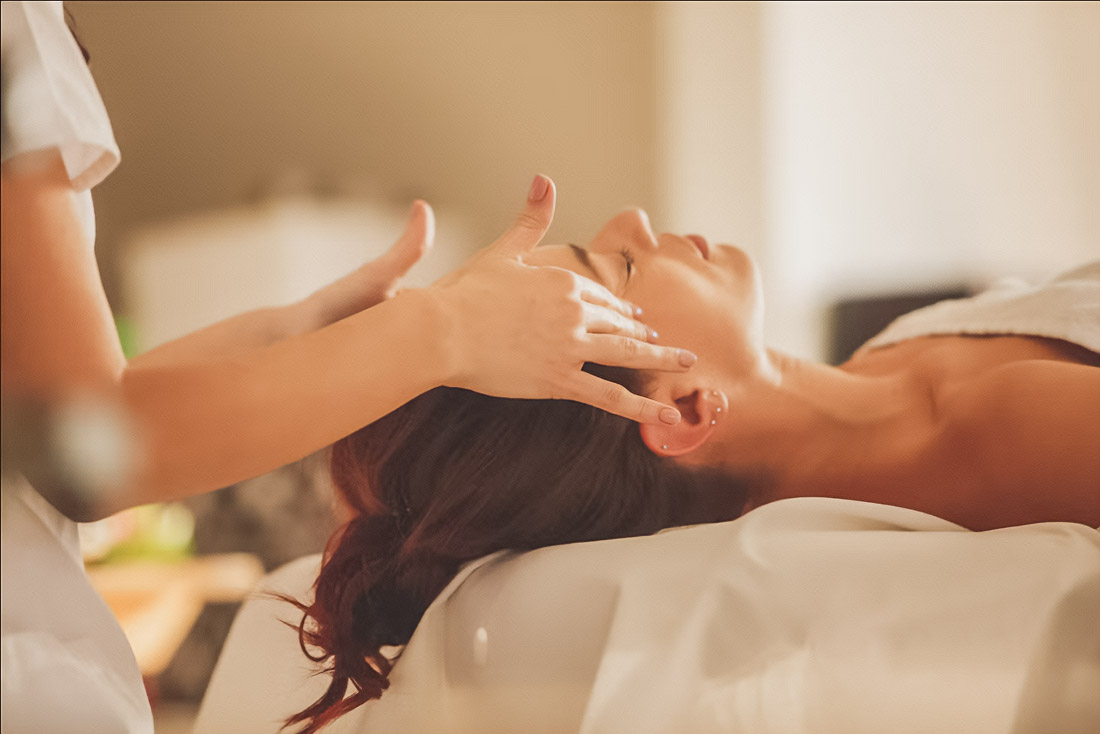
Today, people are increasingly buying not things, but experiences. And it’s not romantic. This is psychology. Experiences provide a more stable sense of meaning than material objects. Therefore, experiential luxury is growing: sensory experience, recovery, awareness, emotional depth, the feeling of “I am back in myself” through Spa Massage
But one person can’t stand it for long. That’s why community and social wellness are being enhanced. Collaborative practices and environments support habits better than single efforts. Wellness is becoming a way of belonging, and sometimes even a cultural currency, through which people get to know each other, communicate, and define a lifestyle.
Eating as part of the experience fits into the same picture. The texts note an increase in eating-out expenditure with an expected 5% CAGR in 2025-2030, as well as survey data: 72% of adults consciously try to eat healthier. This explains why integrated wellness increasingly includes not only movement and recovery, but also nutrition, social spaces, and rituals.

Football fan, father of 3, fender owner, vintage furniture lover and New School grad. Making at the crossroads of art and function to create strong, lasting and remarkable design. Let’s make every day A RAZZLE-DAZZLE MUSICAL.